WHOOP Advanced Blood Test (62-in-1)WHOOP Advanced Blood Test (62-in-1)WHOOP Advanced Blood Test (62-in-1)WHOOP Advanced Blood Test (62-in-1)WHOOP Advanced Blood Test (62-in-1)
WHOOP Advanced Blood Test (62-in-1)

WHOOP Advanced Blood Test (62-in-1)

Regular price €475,00 | Save €-475,00(0% off)
/

FREE SHIPPING

Do you want maximum control over your recovery, hormones, cardiovascular health and long-term performance?

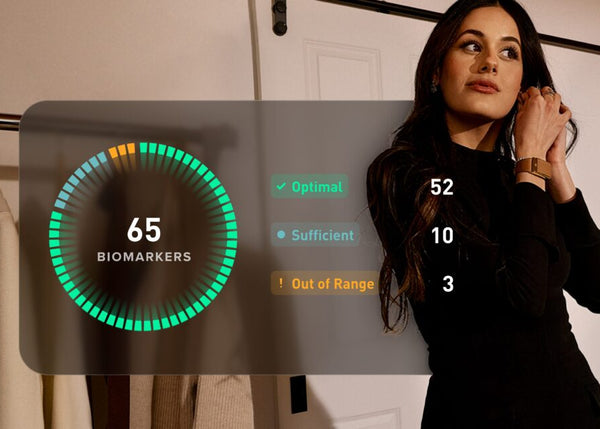
The WHOOP Advanced Blood Test by Homed-IQ measures more than 60 biomarkers, providing a comprehensive view of your cardiovascular disease risk, hormonal balance, inflammation levels, metabolic flexibility, organ function, and micronutrient status.

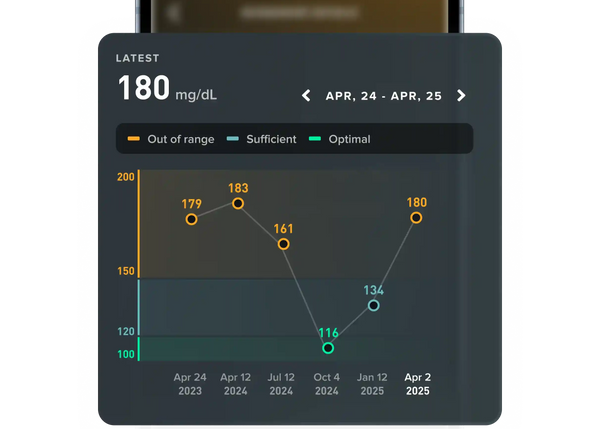
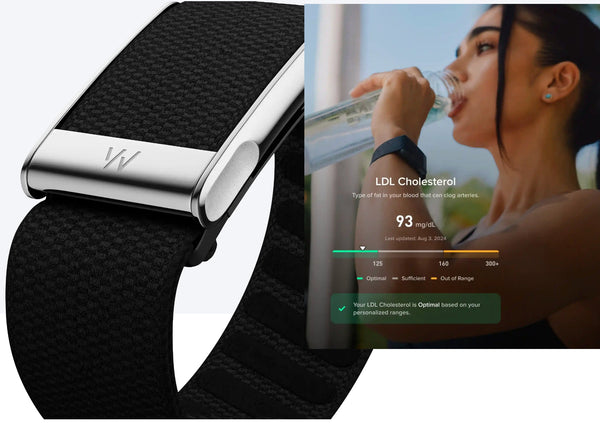
This is the most complete blood panel within our WHOOP-compatible offering. After uploading your results into the WHOOP app, you receive personalised insights that help you optimise your training, recovery, nutrition, and lifestyle for your body.

Test mode:
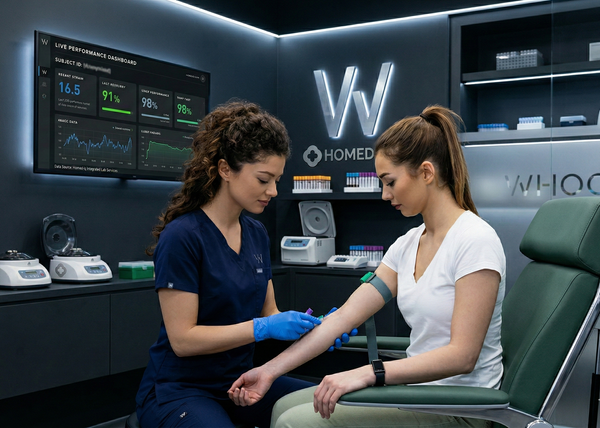
Blood is drawn at a nationwide network of professional collection centres. No appointment and no GP referral required. This is not a home test.

Please note: the blood sample for this test must be taken before 10 in the morning.

What do we test for?

This product requires collection via prikpost€25,00 service included for free

The collection point requires your date of birth and gender to process your test correctly.

Notify me when available

You have already submited form for Default Title

Thanks for contacting us. We'll get back to you as soon as product / variant is back in stock.
  • Buy 2 or more products and get 5% off your order
  • Ordered before 17:00, shipped today
  • Analyzed in ISO-certified laboratory
  • Test results often available within 1 business day after reaching laboratory
-7
WHOOP Advanced Blood Test (62-in-1)

WHOOP Advanced Blood Test (62-in-1)

€475,00

Your WHOOP shows how your body responds to stress and training.
This blood panel helps explain why.

You gain insights into:

  • Heart health and cholesterol levels
  • Hormones and your body’s ability to build and recover
  • Inflammation and immune system load
  • How well your body uses energy and handles sugar
  • Oxygen levels and iron status
  • Organ health and key nutrients

This panel is designed for athletes, professionals, and high performers who want to go beyond tracking and actively optimise their performance.

The panel is structured around six performance-driven pillars.

1. Cardiovascular Health

Your cardiovascular system influences both long-term health and daily performance by supporting oxygen delivery and efficient energy use.

Apolipoprotein B (ApoB)
Measures the number of lipoproteins that can contribute to plaque buildup in the arteries and is one of the strongest indicators of cardiovascular risk.

HDL, LDL, Total Cholesterol, Triglycerides, and Cholesterol Risk Ratio
Provide insight into how your body processes fats and maintains lipid balance.

Non-HDL Cholesterol
Reflects the total number of potentially harmful cholesterol particles and gives a more complete picture of risk than LDL alone.

Lipoprotein(a)
A genetic risk marker for cardiovascular disease that is often not included in standard testing.

Together, these markers show how well your body processes fats and give insight into how effectively your cardiovascular system is functioning.


2. Hormonal Optimisation, Stress Regulation, and Energy Balance

Your hormones influence recovery, muscle growth, fat metabolism, and how well you handle stress.

Free Testosterone and SHBG
Measure active testosterone levels. This affects muscle growth, strength, motivation, and recovery. SHBG shows how much testosterone is available for your body to use.

Estradiol
Plays an essential role in hormonal balance, recovery, and cardiovascular health.

Cortisol
The primary stress hormone. Chronically elevated levels can lower heart rate variability, delay recovery, and promote muscle breakdown.

DHEA-S
A hormone that works in opposition to cortisol and reflects the body’s ability to build and repair tissue (anabolic capacity).

FSH and LH
Assess how well your brain is signalling your body to regulate hormone production. They can help show whether changes are linked to stress, overtraining, or other imbalances.

TSH
Gives insight into thyroid function, which plays a key role in metabolism, energy levels, and training capacity.

Together, these markers offer insight into hormonal balance and how it may be influenced by training and stress exposure.


3. Inflammation and Immune Load

Low-grade inflammation can influence recovery and performance over time.

hs-CRP
Measures levels of systemic low-grade inflammation.

White Blood Cells (WBC) with differentiation
Leukocytes, Neutrophils, lymphocytes, monocytes, eosinophils and basophils provide insight into immune activation and stress-related changes.

Platelets
Play a role in blood clotting and recovery, but also reflect inflammatory activity and physiological stress.

MPV (Mean Platelet Volume)
Adds information on platelet activation and inflammatory activity.

These markers help explain why recovery may lag despite adequate sleep and structured training.


4. Oxygen Transport, Iron Status, and Endurance

Performance depends on efficient oxygen delivery.

Red Blood Cells (Erythrocytes), Hemoglobin, and Hematocrit
Indicate the blood’s capacity to carry oxygen.

Ferritin
Reflects iron stores, which support energy production and aerobic performance (VO₂ max).

Total Iron Binding Capacity (TIBC)
Indicates how well your body can transport iron and helps provide context to iron availability and utilisation.

Vitamin B12 and Folic Acid
Support red blood cell production, oxygen transport, and energy levels. Low levels can contribute to fatigue and reduced performance.

MCV, MCH and MCHC
Provide additional detail on red blood cell characteristics and can help identify subtle changes related to iron availability.

Together, these markers offer insight into factors that may influence endurance, fatigue, and training adaptation.


5. Metabolic Flexibility and Energy Processing

Your metabolism determines how effectively you use carbohydrates and fats as fuel.

Glucose
Reflects your current blood sugar level.

Insulin
Indicates how your body responds to glucose.

HOMA-IR
Estimates insulin sensitivity and metabolic function.

HbA1c
Reflects average blood glucose levels over the past three months.

Potassium and Chloride
Electrolytes that support muscle function and fluid balance.

Magnesium and Phosphate
Support energy production (ATP), muscle contraction, and recovery. They play a key role in performance, fatigue resistance, and metabolic efficiency.

Together, these markers provide insight into how your body regulates energy and responds to training and nutrition strategies.


6. Liver, Kidney and Nutritional Status

Optimal performance requires healthy organs and adequate micronutrient availability.

ALT, AST, and GammaGT
Provides insight into liver function, which can be influenced by training, nutrition, and overall physiological stress.

Creatinine and eGFR
Assess kidney function. Interpreting both together helps distinguish normal elevations related to muscle mass from potential strain.

Urea
Reflects protein metabolism and kidney function. Levels can be influenced by hydration, training load, and protein intake

BUN/Creatinine ratio and Creatinine/eGFR ratio
Offer additional context for kidney function and hydration status.

Alkaline Phosphatase (ALP) and Total Bilirubin
Provide further insight into liver and biliary function.

Vitamin D
Supports the immune system, muscle function, and hormonal balance.

Calcium, Sodium and Iron
Essential for muscle contraction, hydration, and oxygen transport.

Total Protein, Albumin, and Albumin/Globulin Ratio 
Reflects protein status, liver function, and overall nutritional and recovery capacity.

Transferrin and Transferrin Saturation
Indicates iron transport efficiency.

Bicarbonate
Helps regulate acid-base balance in the body and reflects how well you buffer metabolic stress during intense training.

Step 1 – Blood collection

After ordering via the Homed-IQ website, you receive the collection kit at home within a few days. The package contains blood tubes and clear instructions for visiting a collection centre.

Preparation

For accurate glucose, insulin, and triglyceride measurements, you must fast for at least 12 hours.

  • No food or caloric drinks
  • Water is allowed
  • No alcohol the evening before testing

Blood draw

You visit a professional collection centre:

  • No appointment required
  • No GP referral required
  • Professional venous blood draw

After collection, the sample is sent to our certified laboratory for analysis.


Step 2 – Receive your digital lab report

Within a few days after processing, you receive your complete laboratory report in a secure online environment.


Step 3 – Upload into the WHOOP app

You manually enter your biomarker values into WHOOP Advanced Labs.

Please note:

  • There is currently no direct integration between Homed-IQ and WHOOP.
  • Values must be entered manually.
  • Some biomarkers may need conversion into US units before uploading. This can be done using a unit conversion tool.

Step 4 – Integration with your daily data

Once uploaded, WHOOP integrates your biomarkers with:

  • Heart Rate Variability (HRV)
  • Resting Heart Rate
  • Sleep stages and sleep quality
  • Strain score
  • Recovery trends over time

This creates context.

A low HRV can be explained by elevated inflammation.
Declining recovery may correlate with elevated cortisol.
Stalled progress may be linked to low ferritin or testosterone.
Fluctuating energy may reflect insulin resistance or glucose instability.

Based on this combined analysis, you receive personalised insights such as:

  • Adjusting training load during elevated inflammation
  • Optimising sleep strategy during hormonal stress
  • Nutritional interventions for metabolic imbalance
  • Targeted supplementation in case of deficiencies
  • Hormonal optimisation strategies when anabolic suppression is detected

Your wearable data is enriched with biological insight.
You do not only see how your body responds, but also understand why.

This panel is designed for individuals who take performance and long-term health seriously.

Suitable for:

  • Athletes aiming to maximise recovery and performance
  • Professionals with high physical or cognitive load
  • Individuals seeking hormonal and stress balance
  • WHOOP users who want deeper biological context
  • Anyone focused on preventive long-term health

You do not need to be a professional athlete or biohacker to benefit from in-depth insight. This panel is for those who want clarity, structure and actionable data.

This is the most comprehensive WHOOP-compatible blood test within our offering, designed for those who want depth rather than surface-level metrics.

Why choose the WHOOP Advanced panel?

Your WHOOP shows how your body responds to stress and training.
This blood panel helps explain why.

You gain insights into:

  • Heart health and cholesterol levels
  • Hormones and your body’s ability to build and recover
  • Inflammation and immune system load
  • How well your body uses energy and handles sugar
  • Oxygen levels and iron status
  • Organ health and key nutrients

This panel is designed for athletes, professionals, and high performers who want to go beyond tracking and actively optimise their performance.

What is measured?

The panel is structured around six performance-driven pillars.

1. Cardiovascular Health

Your cardiovascular system influences both long-term health and daily performance by supporting oxygen delivery and efficient energy use.

Apolipoprotein B (ApoB)
Measures the number of lipoproteins that can contribute to plaque buildup in the arteries and is one of the strongest indicators of cardiovascular risk.

HDL, LDL, Total Cholesterol, Triglycerides, and Cholesterol Risk Ratio
Provide insight into how your body processes fats and maintains lipid balance.

Non-HDL Cholesterol
Reflects the total number of potentially harmful cholesterol particles and gives a more complete picture of risk than LDL alone.

Lipoprotein(a)
A genetic risk marker for cardiovascular disease that is often not included in standard testing.

Together, these markers show how well your body processes fats and give insight into how effectively your cardiovascular system is functioning.


2. Hormonal Optimisation, Stress Regulation, and Energy Balance

Your hormones influence recovery, muscle growth, fat metabolism, and how well you handle stress.

Free Testosterone and SHBG
Measure active testosterone levels. This affects muscle growth, strength, motivation, and recovery. SHBG shows how much testosterone is available for your body to use.

Estradiol
Plays an essential role in hormonal balance, recovery, and cardiovascular health.

Cortisol
The primary stress hormone. Chronically elevated levels can lower heart rate variability, delay recovery, and promote muscle breakdown.

DHEA-S
A hormone that works in opposition to cortisol and reflects the body’s ability to build and repair tissue (anabolic capacity).

FSH and LH
Assess how well your brain is signalling your body to regulate hormone production. They can help show whether changes are linked to stress, overtraining, or other imbalances.

TSH
Gives insight into thyroid function, which plays a key role in metabolism, energy levels, and training capacity.

Together, these markers offer insight into hormonal balance and how it may be influenced by training and stress exposure.


3. Inflammation and Immune Load

Low-grade inflammation can influence recovery and performance over time.

hs-CRP
Measures levels of systemic low-grade inflammation.

White Blood Cells (WBC) with differentiation
Leukocytes, Neutrophils, lymphocytes, monocytes, eosinophils and basophils provide insight into immune activation and stress-related changes.

Platelets
Play a role in blood clotting and recovery, but also reflect inflammatory activity and physiological stress.

MPV (Mean Platelet Volume)
Adds information on platelet activation and inflammatory activity.

These markers help explain why recovery may lag despite adequate sleep and structured training.


4. Oxygen Transport, Iron Status, and Endurance

Performance depends on efficient oxygen delivery.

Red Blood Cells (Erythrocytes), Hemoglobin, and Hematocrit
Indicate the blood’s capacity to carry oxygen.

Ferritin
Reflects iron stores, which support energy production and aerobic performance (VO₂ max).

Total Iron Binding Capacity (TIBC)
Indicates how well your body can transport iron and helps provide context to iron availability and utilisation.

Vitamin B12 and Folic Acid
Support red blood cell production, oxygen transport, and energy levels. Low levels can contribute to fatigue and reduced performance.

MCV, MCH and MCHC
Provide additional detail on red blood cell characteristics and can help identify subtle changes related to iron availability.

Together, these markers offer insight into factors that may influence endurance, fatigue, and training adaptation.


5. Metabolic Flexibility and Energy Processing

Your metabolism determines how effectively you use carbohydrates and fats as fuel.

Glucose
Reflects your current blood sugar level.

Insulin
Indicates how your body responds to glucose.

HOMA-IR
Estimates insulin sensitivity and metabolic function.

HbA1c
Reflects average blood glucose levels over the past three months.

Potassium and Chloride
Electrolytes that support muscle function and fluid balance.

Magnesium and Phosphate
Support energy production (ATP), muscle contraction, and recovery. They play a key role in performance, fatigue resistance, and metabolic efficiency.

Together, these markers provide insight into how your body regulates energy and responds to training and nutrition strategies.


6. Liver, Kidney and Nutritional Status

Optimal performance requires healthy organs and adequate micronutrient availability.

ALT, AST, and GammaGT
Provides insight into liver function, which can be influenced by training, nutrition, and overall physiological stress.

Creatinine and eGFR
Assess kidney function. Interpreting both together helps distinguish normal elevations related to muscle mass from potential strain.

Urea
Reflects protein metabolism and kidney function. Levels can be influenced by hydration, training load, and protein intake

BUN/Creatinine ratio and Creatinine/eGFR ratio
Offer additional context for kidney function and hydration status.

Alkaline Phosphatase (ALP) and Total Bilirubin
Provide further insight into liver and biliary function.

Vitamin D
Supports the immune system, muscle function, and hormonal balance.

Calcium, Sodium and Iron
Essential for muscle contraction, hydration, and oxygen transport.

Total Protein, Albumin, and Albumin/Globulin Ratio 
Reflects protein status, liver function, and overall nutritional and recovery capacity.

Transferrin and Transferrin Saturation
Indicates iron transport efficiency.

Bicarbonate
Helps regulate acid-base balance in the body and reflects how well you buffer metabolic stress during intense training.

How it works

Step 1 – Blood collection

After ordering via the Homed-IQ website, you receive the collection kit at home within a few days. The package contains blood tubes and clear instructions for visiting a collection centre.

Preparation

For accurate glucose, insulin, and triglyceride measurements, you must fast for at least 12 hours.

  • No food or caloric drinks
  • Water is allowed
  • No alcohol the evening before testing

Blood draw

You visit a professional collection centre:

  • No appointment required
  • No GP referral required
  • Professional venous blood draw

After collection, the sample is sent to our certified laboratory for analysis.


Step 2 – Receive your digital lab report

Within a few days after processing, you receive your complete laboratory report in a secure online environment.


Step 3 – Upload into the WHOOP app

You manually enter your biomarker values into WHOOP Advanced Labs.

Please note:

  • There is currently no direct integration between Homed-IQ and WHOOP.
  • Values must be entered manually.
  • Some biomarkers may need conversion into US units before uploading. This can be done using a unit conversion tool.

Step 4 – Integration with your daily data

Once uploaded, WHOOP integrates your biomarkers with:

  • Heart Rate Variability (HRV)
  • Resting Heart Rate
  • Sleep stages and sleep quality
  • Strain score
  • Recovery trends over time

This creates context.

A low HRV can be explained by elevated inflammation.
Declining recovery may correlate with elevated cortisol.
Stalled progress may be linked to low ferritin or testosterone.
Fluctuating energy may reflect insulin resistance or glucose instability.

Based on this combined analysis, you receive personalised insights such as:

  • Adjusting training load during elevated inflammation
  • Optimising sleep strategy during hormonal stress
  • Nutritional interventions for metabolic imbalance
  • Targeted supplementation in case of deficiencies
  • Hormonal optimisation strategies when anabolic suppression is detected

Your wearable data is enriched with biological insight.
You do not only see how your body responds, but also understand why.

Who is this panel for?

This panel is designed for individuals who take performance and long-term health seriously.

Suitable for:

  • Athletes aiming to maximise recovery and performance
  • Professionals with high physical or cognitive load
  • Individuals seeking hormonal and stress balance
  • WHOOP users who want deeper biological context
  • Anyone focused on preventive long-term health

You do not need to be a professional athlete or biohacker to benefit from in-depth insight. This panel is for those who want clarity, structure and actionable data.

This is the most comprehensive WHOOP-compatible blood test within our offering, designed for those who want depth rather than surface-level metrics.

FAQs

How do I enter my Homed-IQ results into the WHOOP app?

You enter your biomarker values manually via the Advanced Labs section of the WHOOP app. There is currently no automatic link between Homed-IQ and WHOOP. Please note: some biomarkers need to be converted from European units (SI) to American units before uploading. You can do this easily using an online unit converter or an AI tool such as ChatGPT.

Which WHOOP membership do I need?

You need a WHOOP membership with access to WHOOP Advanced Labs. This is available for WHOOP Peak and Life members. Please check the WHOOP website for the most up-to-date information.

What does WHOOP do with my blood values after I enter them?

WHOOP integrates your biomarkers with your daily data: HRV, resting heart rate, sleep quality, strain score and recovery trends. This gives your lab values context. For example, a low recovery score becomes more meaningful when it coincides with elevated inflammation markers or high cortisol. Based on this combined analysis, you receive personalised, AI-driven recommendations for training, sleep and nutrition.

What makes this panel different from a standard blood test?

This panel includes advanced markers that you rarely see in a routine blood test, such as HOMA-IR (insulin resistance), Apolipoprotein B (the most accurate predictor of cardiovascular risk), Lipoprotein(a) (genetically determined heart risk) and a complete hormonal profile including free testosterone, cortisol and DHEA-S. Together, they provide insight into why your WHOOP data looks the way it does.

I often feel tired despite getting enough sleep. Can this test help explain that?

Yes. Unexplained fatigue can have multiple causes that this test can help map out: low ferritin levels (limited oxygen transport), impaired thyroid function (TSH), insulin resistance (HOMA-IR), chronic low-grade inflammation (hs-CRP) or hormonal imbalances such as low testosterone or elevated cortisol. By assessing these markers together, the panel can help identify potential physiological factors that may be contributing to fatigue.

How will the analysis of this blood test take place?

After you collect your blood sample, simply place it in the protective envelope and use the prepaid shipping label to send it to one of our partner labs. Your sample will be analyzed by our laboratory and the test result will be sent directly to your online account.

Why does the blood draw take place at a collection point?

This panel measures 62 biomarkers, including hormones and advanced metabolic markers. This requires a venous blood draw — a finger prick does not yield enough blood and is less accurate for hormone and insulin measurements. You can visit a collection point near you without an appointment and without a doctor's referral.

Do I need to fast?

Yes. For a reliable measurement of glucose, insulin, HOMA-IR and triglycerides, you need to fast for at least 12 hours. No food or calorie-containing drinks — water is fine. Also avoid alcohol the evening before.

Can I use this test without WHOOP?

Yes. The laboratory report is complete and valuable on its own, covering 62 biomarkers across six health categories. You can discuss the results with your GP or use them independently for your health monitoring. Integration with WHOOP is a powerful addition, but not a requirement.

How does it work?

  • Woman in professional cozy kitchen with Homed-IQ test kit
    1

    Order your test

    Delivered to your home within days

  • 2

    Visit a professional collection centre

    Visit a certified collection centre near you

  • 3

    Laboratory analysis

    Analysis by an ISO-certified laboratory

  • 4

    Receive your digital results

    Secure online access to your lab report

Compare STI Tests

Compare STI Tests

Rated Excellent on Trustpilot

What are you looking for?

Popular Searches:  STI  Blood  Swab  Urine  Allergy